
Places to visit in Korea, by region
We picked top attractions in each of the 16 provinces and metropolitan cities from official Korea Tourism Organization data. Check the photo, address, opening hours and closed days, and combine them with festivals in the same area.
-
Seoul
Gyeongbokgung Palace
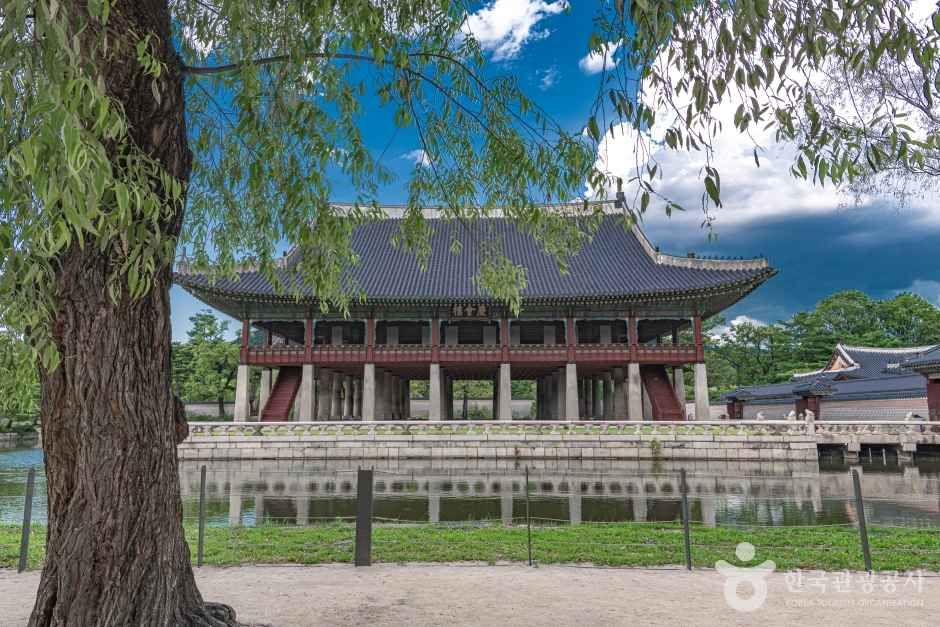
Gyeongbokgung Palace, built in 1395, was the main royal palace of the Joseon Dynasty in Seoul. Visitors can stroll past traditional buildings such as Geunjeongjeon Hall, Gyeonghoeru Pavilion and Hyangwonjeong Pavilion.
-
Busan
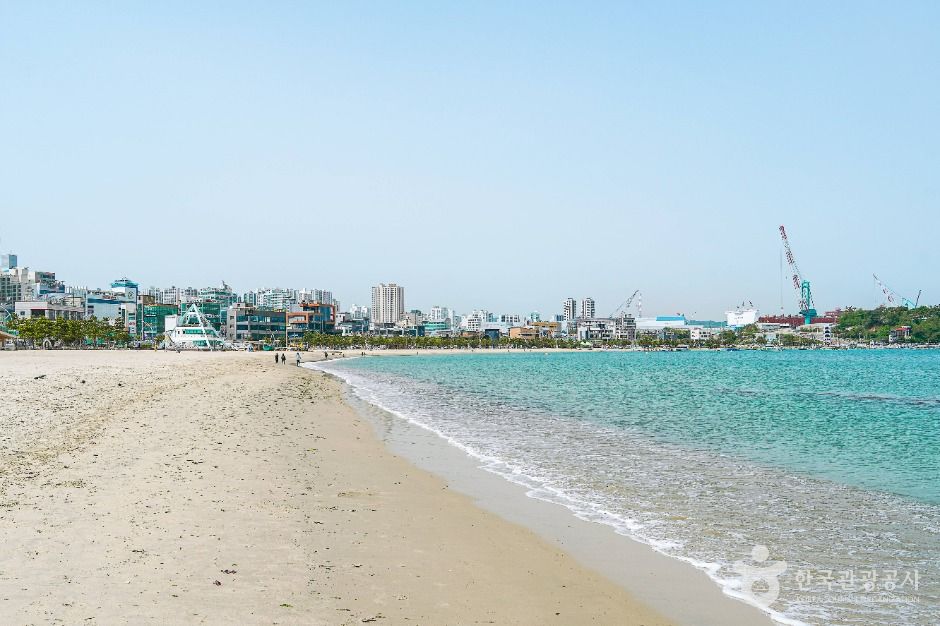
Gwangalli Beach
Gwangalli Beach in Suyeong-gu, Busan, offers clear blue water and fine white sand. Across the bay, Gwangan Bridge makes a lovely view by day and sparkles with lights at night. Cafes and restaurants line the shore.
-
Daegu
Apsan Cable Car (Apsan Observatory)
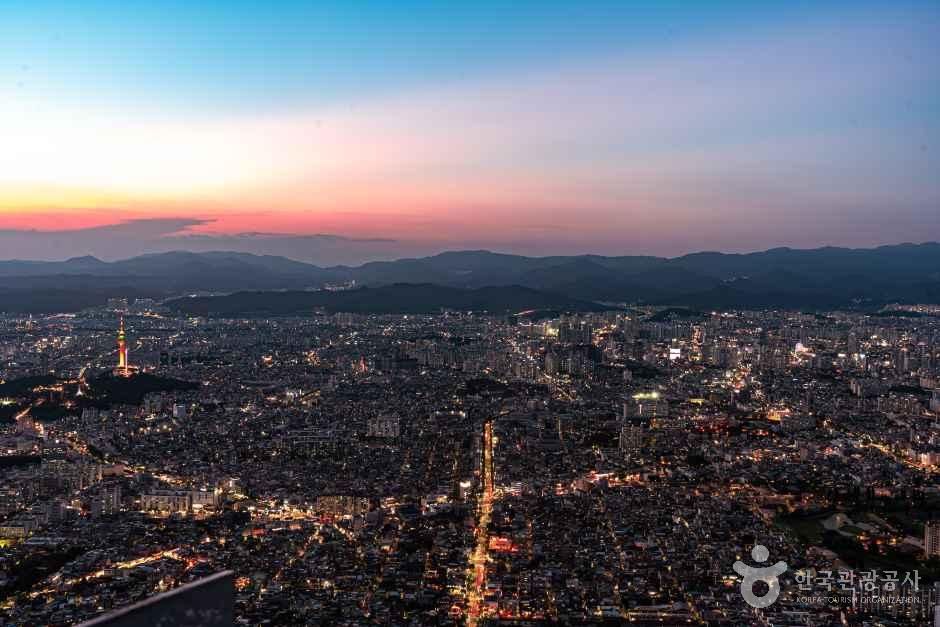
Apsan Cable Car is in Apsan Park, Daegu's urban nature park, along the Keungol trail. Ride up to the top to enjoy views over Daegu and the fresh air of the dense forest.
-
Incheon
Eurwangni Beach
Eurwangni Beach in Eurwang-dong, Incheon, has a crescent-shaped sandy beach set among pine woods and rocks. It is also known for its beautiful sunsets over the West Sea.
-
Jeonnam-Gwangju
Songho Beach
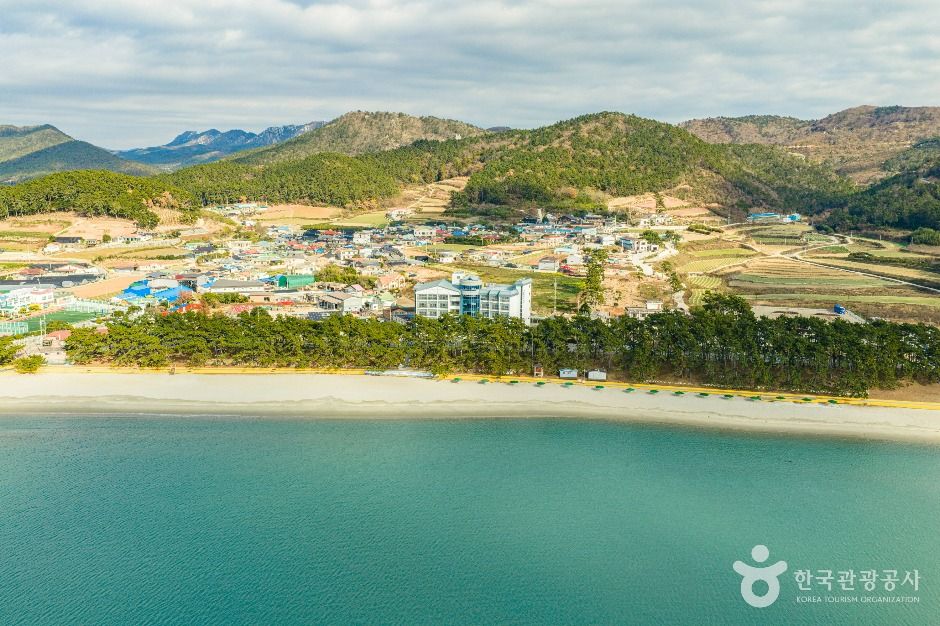
This Haenam beach lies just before Ttangkkeut Village, at the southernmost tip of the Korean Peninsula. Fine sand, calm waters and a long stretch of old pine trees make it a pleasant place to relax.
-
Daejeon
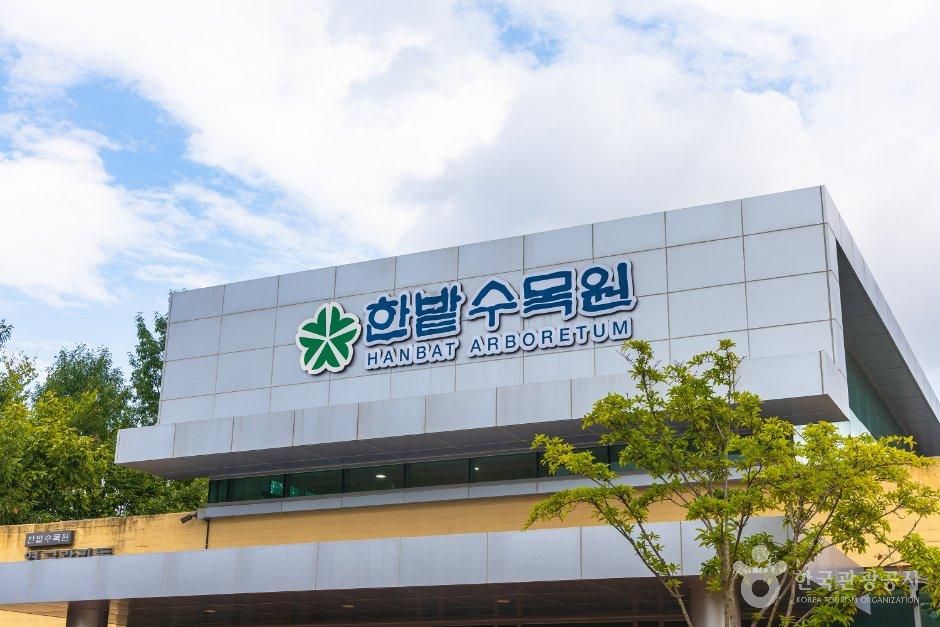
Hanbat Arboretum
Hanbat Arboretum is an urban arboretum in Dunsan, Daejeon. Visitors can enjoy its plants, ecological environment and scenery, alongside nearby cultural venues such as the Arts Center and Art Museum.
-
Ulsan
Ulsan Ilsan Beach
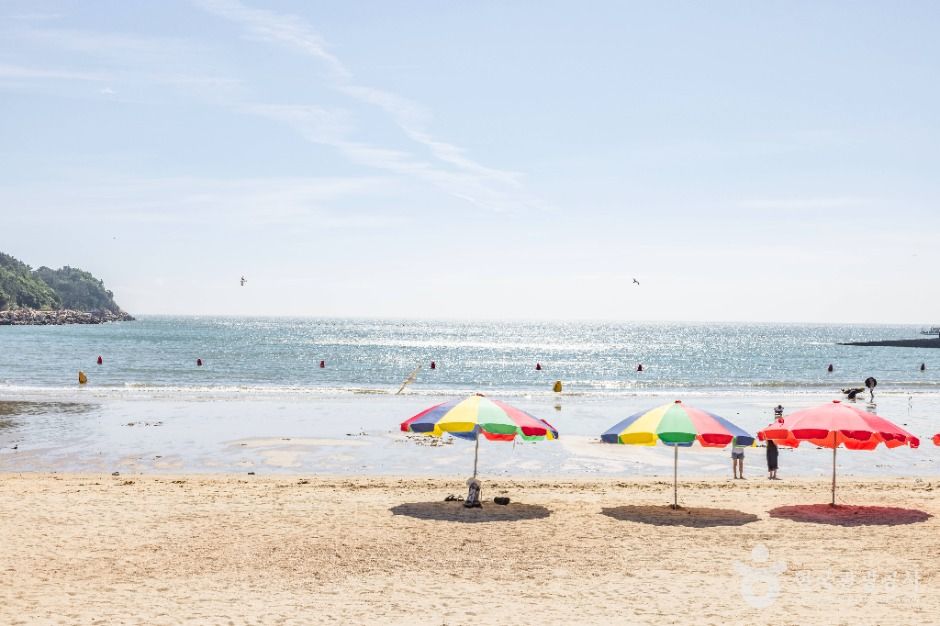
Ilsan Beach in Ulsan sits next to Daewangam Park and offers sea views by day and night scenery in the evening. Its shallow water and gentle slope make it a pleasant spot for families.
-
Sejong
Milmaru Observatory
Milmaru Observatory stands on a 98 m hill in the center of Sejong's administrative district. From here you can view the city's new downtown, the Government Complex Sejong and Sejong City Hall.
-
Gyeonggi
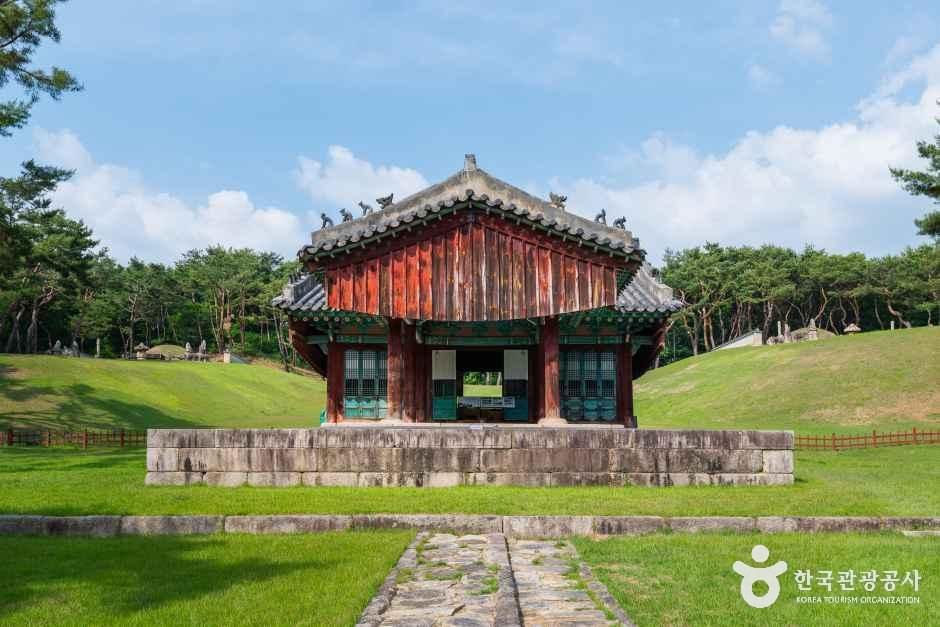
Goyang West Five Royal Tombs
Seooreung is a group of Joseon royal tombs made up of five tombs: Gyeongneung, Changneung, Ikneung, Myeongneung and Hongneung. It is the second largest royal tomb cluster after Donggureung, and offers a calm look at Joseon royal history.
-
Gangwon
Yeongjin Beach
Yeongjin Beach is a quiet, clean beach in a small fishing village in Gangneung, Gangwon. It suits family trips, and visitors can also see Yeongjin Port and the breakwater featured in a drama.
-
Chungbuk
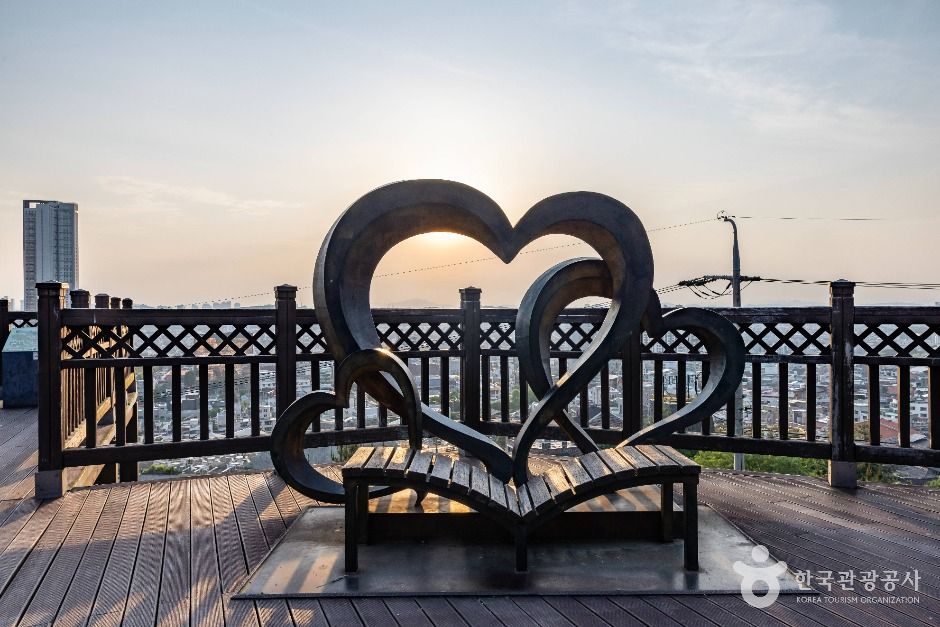
Suamgol Observatory
Suamgol Observatory sits in Suamgol, a Cheongju neighborhood founded by refugees after the Korean War. It offers wide views over the city, with a sparkling night scene and photo spots such as a bench and a heart sculpture.
-
Chungnam
Love Tree on Seongheung Mountain
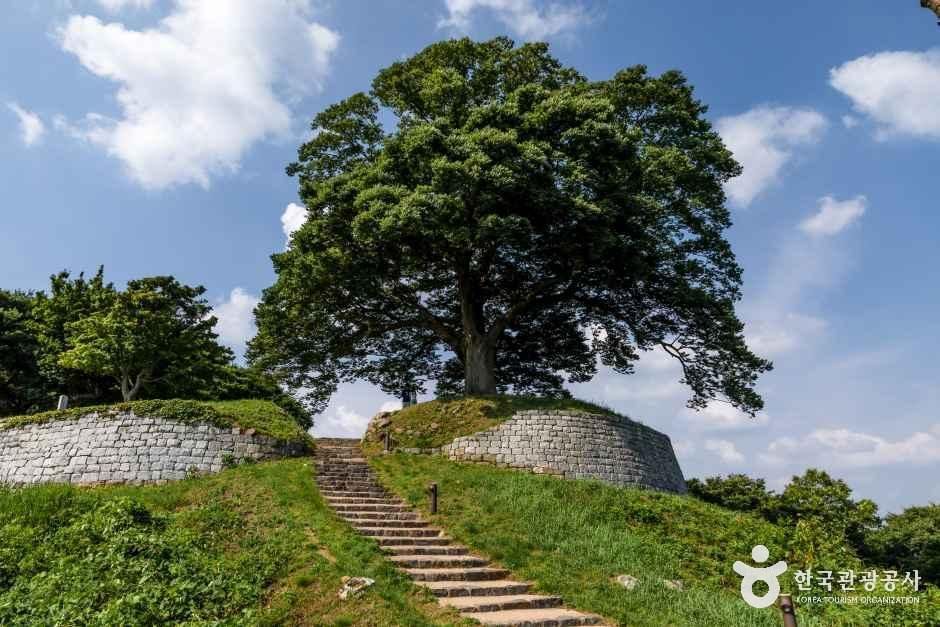
Buyeo Garimseong is a mountain fortress on Seongheungsan (260.1 m), said to date from the Baekje era. From the summit you can look out over the lower Geumgang River and the countryside, and the zelkova known as the Love Tree makes a nice photo spot.
-
Jeonbuk
Gochangeupseong Walled Town
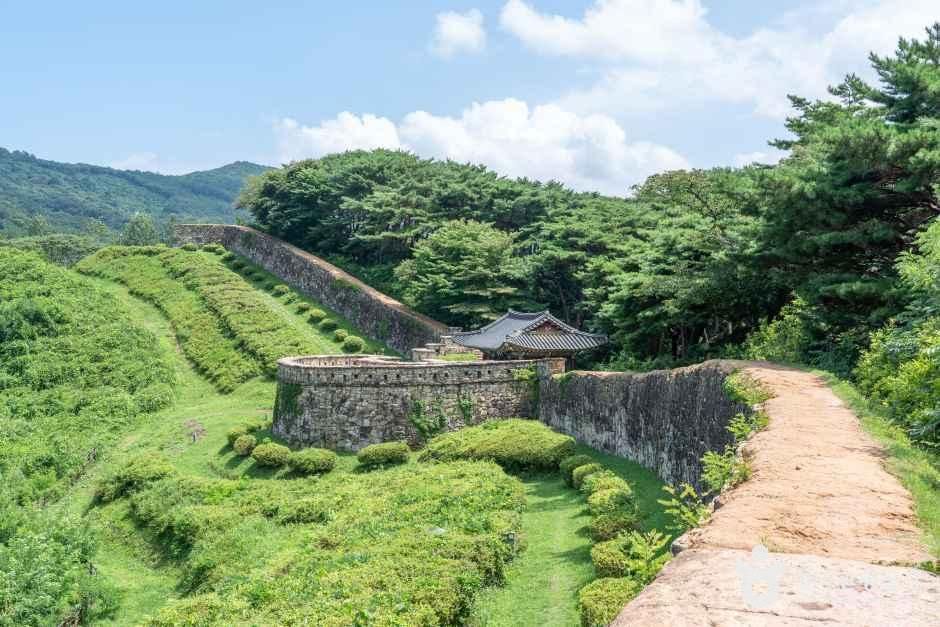
Gochangeupseong is a town fortress built in 1453 that served as an outpost defending the Honam inland area. Visitors can see natural scenery and partly restored government buildings.
-
Gyeongbuk
Imgoseowon Confucian Academy
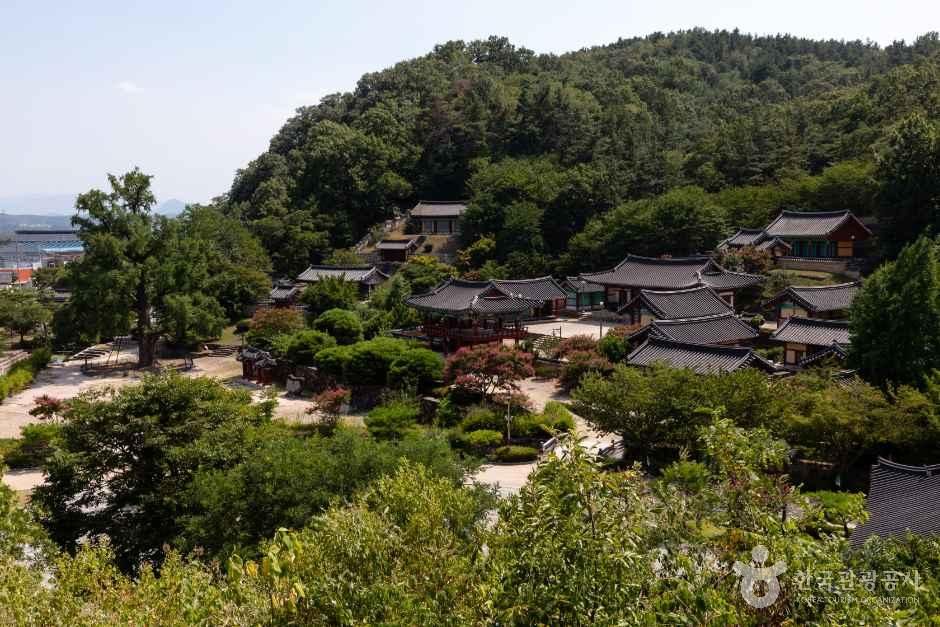
Imgoseowon is a Confucian academy founded in 1553 to honor the virtue and loyalty of Jeong Mong-ju. Its shrine, portrait hall and lecture hall stand together, and it holds portraits and woodblocks.
-
Gyeongnam
Jinjuseong Fortress
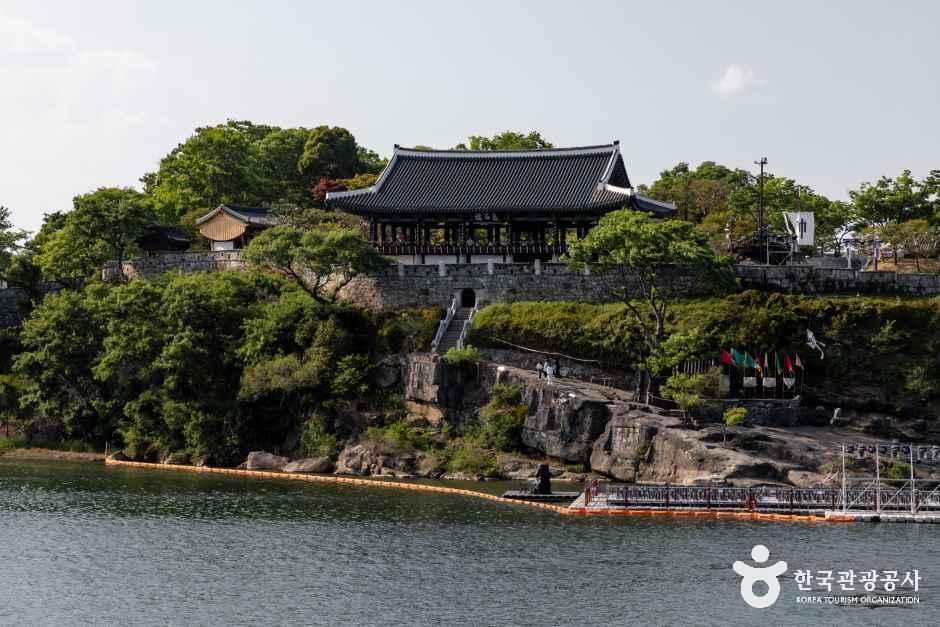
Jinjuseong Fortress was called Geoyeolseong in the Three Kingdoms period and received its current name in the Joseon era. Inside, you can see Chokseongnu Pavilion and the Jinju National Museum.
-
Jeju
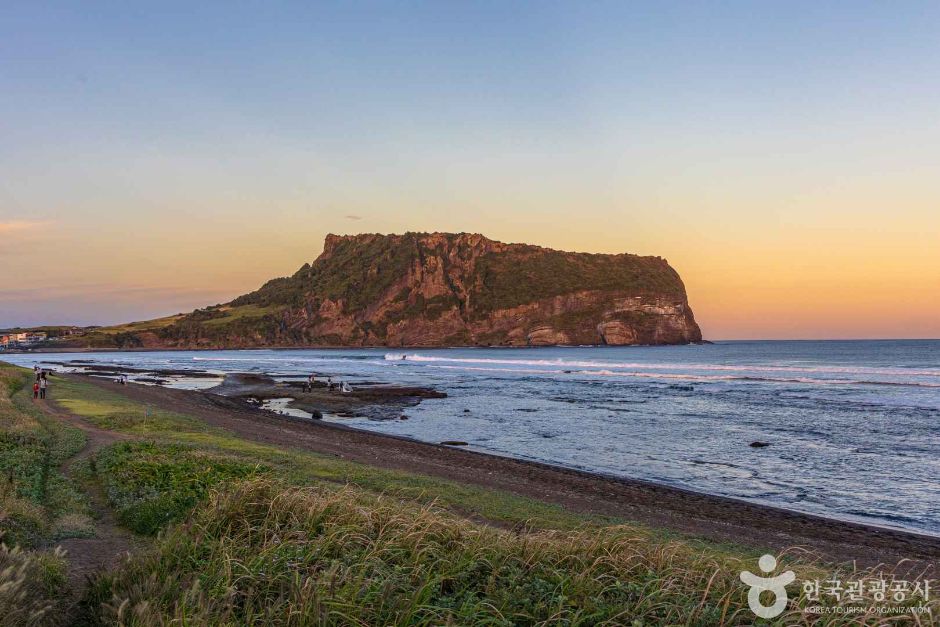
Seongsan Ilchulbong Tuff Cone
Seongsan Ilchulbong is a volcanic cone 180 m above sea level, formed by an underwater explosion about 5,000 years ago. Visitors can see its wide summit crater and the sunrise over the horizon.



How we chose: listed in the Korea Tourism Organization multilingual guide, with a photo and a location, and published under KOGL Type 1. Only 8–10 places per region.
Source: Korea Tourism Organization (TourAPI) · The photo and description on this page are based on Korea Tourism Organization material published under KOGL Type 1 (attribution).