
Changdeokgung Palace Complex
Korean name: 창덕궁과 후원
Seoul
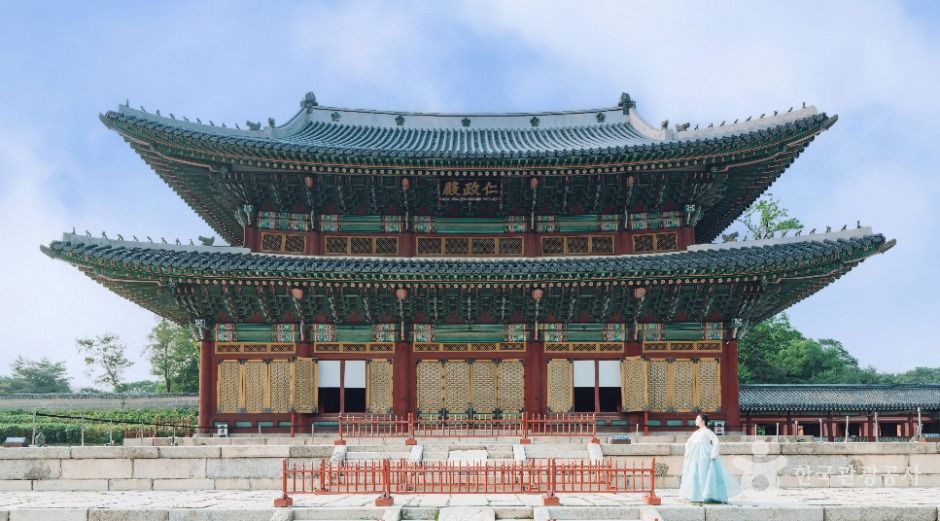
Changdeokgung was founded in 1405 as a secondary palace and was inscribed as a UNESCO World Heritage Site in 1997. You can stroll through its buildings, which blend with the terrain, and its rear garden with pavilions in each valley.
About
Changdeokgung Palace was the second royal villa built following the construction of Gyeongbokgung Palace in 1405. It was the principal palace for many kings of the Joseon dynasty, and is the most well-preserved of the five remaining royal Joseon palaces.
The palace grounds are comprised of a public palace area, a royal family residence building, and the rear garden. Known as a place of rest for the kings, the rear garden boasts a gigantic tree that is over 300 years old, a small pond and a pavilion.
The palace gained importance starting from the time of Seongjong, the 9th king of Joseon, when a number of kings began using it as a place of residence.
Key details
- Address
- 99 Yulgok-ro, Jongno-gu, Seoul
- Opening hours
- Feb–May: 09:00–18:00 (last entry 17:00); Jun–Aug: 09:00–18:30 (last entry 17:30); Sep–Oct: 09:00–18:00 (last entry 17:00); Nov–Jan: 09:00–17:30 (last entry 16:30)
- Closed
- Every Monday (if Monday is a public holiday, the palace is open and closes on the next first weekday instead)
- Contact
- 02-3668-2300
- Region
- Seoul
Operating details can change. Please check the official information again before you go.
Open in a map
Nearby places
Festivals & events in Seoul
Source: Korea Tourism Organization (TourAPI)
The photo and description on this page are based on Korea Tourism Organization material published under KOGL Type 1 (attribution).